Recharging a fire extinguisher typically costs $15 to $50 for a standard 5-10 lb ABC dry chemical unit in 2026, with larger CO2 and clean-agent extinguishers running $50 to $200 or more depending on size and agent type. The number on the invoice rarely includes the hidden cost: hydrostatic testing, which NFPA 10 requires on a fixed schedule regardless of how often the unit gets used.
- Standard ABC dry chemical recharge costs $15 to $50 in 2026; CO2 and clean-agent units run $50 to $200+.
- Hydrostatic testing is a separate, code-mandated cost most recharge quotes leave out.
- Recharging after any discharge, even partial, is required by NFPA 10 - not optional.
- First-Line Fire Extinguisher Co. services recharge and hydro testing across KY, IL, IN, TN, MO and AL.
- Replacing a unit sometimes beats recharging once a cylinder is past its hydro test interval.
Why this matters
A fire extinguisher that shows full on the gauge but hasn't been serviced can still fail an inspection - or worse, fail in a fire. Insurance carriers and local fire marshals check service tags, not gauge needles, and an out-of-date tag is treated the same as no extinguisher at all. Budgeting the real cost, not just the sticker recharge fee, keeps a facility compliant year to year without surprise line items in 2026.
Facilities with 10+ units, coal mining sites, marine vessels or fleet vehicles usually contract recharge and inspection together, which changes the per-unit math compared to a one-off recharge at a hardware counter. First-Line Fire Extinguisher Co. prices commercial recharge and hydro testing as a combined service across Kentucky, Illinois, Indiana, Tennessee, Missouri and Alabama rather than billing each visit separately.
How much does fire extinguisher recharging cost in 2026?
Recharge cost tracks two variables: the extinguishing agent and the cylinder size. A small kitchen or office unit costs far less to service than an industrial CO2 or wheeled unit used in a warehouse or mining application.
| Extinguisher Type | Typical Size | Recharge Cost Range (2026) |
|---|---|---|
| ABC Dry Chemical | 5-10 lbs | $15 - $50 |
| CO2 | 5-15 lbs | $50 - $100 |
| Clean Agent / Halotron | 5-15 lbs | $100 - $200+ |
| Wheeled / Industrial | 50-350 lbs | $150 - $300+ |
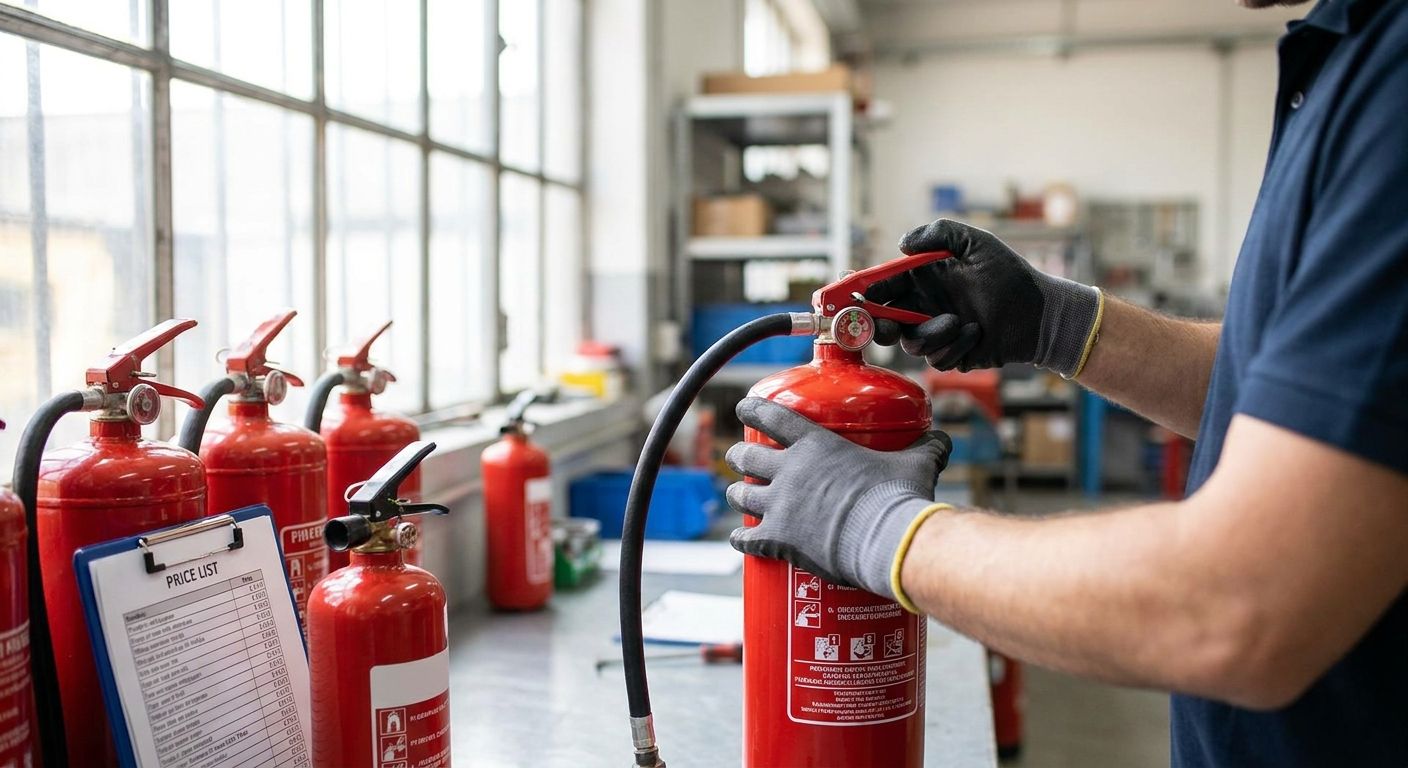
These ranges cover labor and agent refill. Hydrostatic testing, when due, is billed on top of the recharge and depends on the cylinder's test interval under NFPA 10.
ABC Dry Chemical: $15 to $50 per recharge
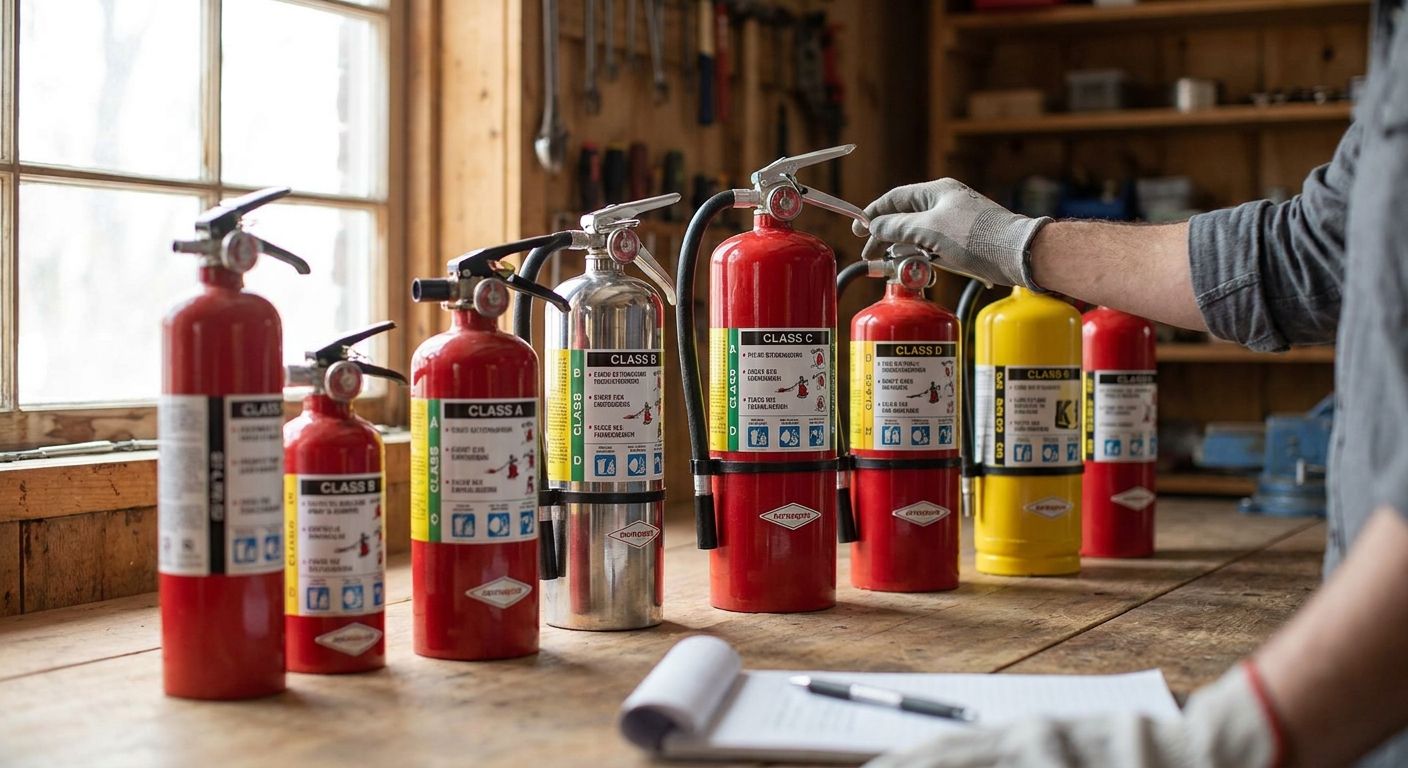
This is the extinguisher in most offices, retail stores and break rooms. Recharge at this price point covers weighing the cylinder, replacing the dry chemical agent, resealing and re-tagging. This is the cheapest extinguisher category to maintain and the one most facilities should keep stocked in high-traffic areas.
- Best for: general office, retail, light commercial
- Verdict: Buy - low recharge cost makes this the default choice for most non-industrial spaces
CO2 Extinguisher: $50 to $100 per recharge
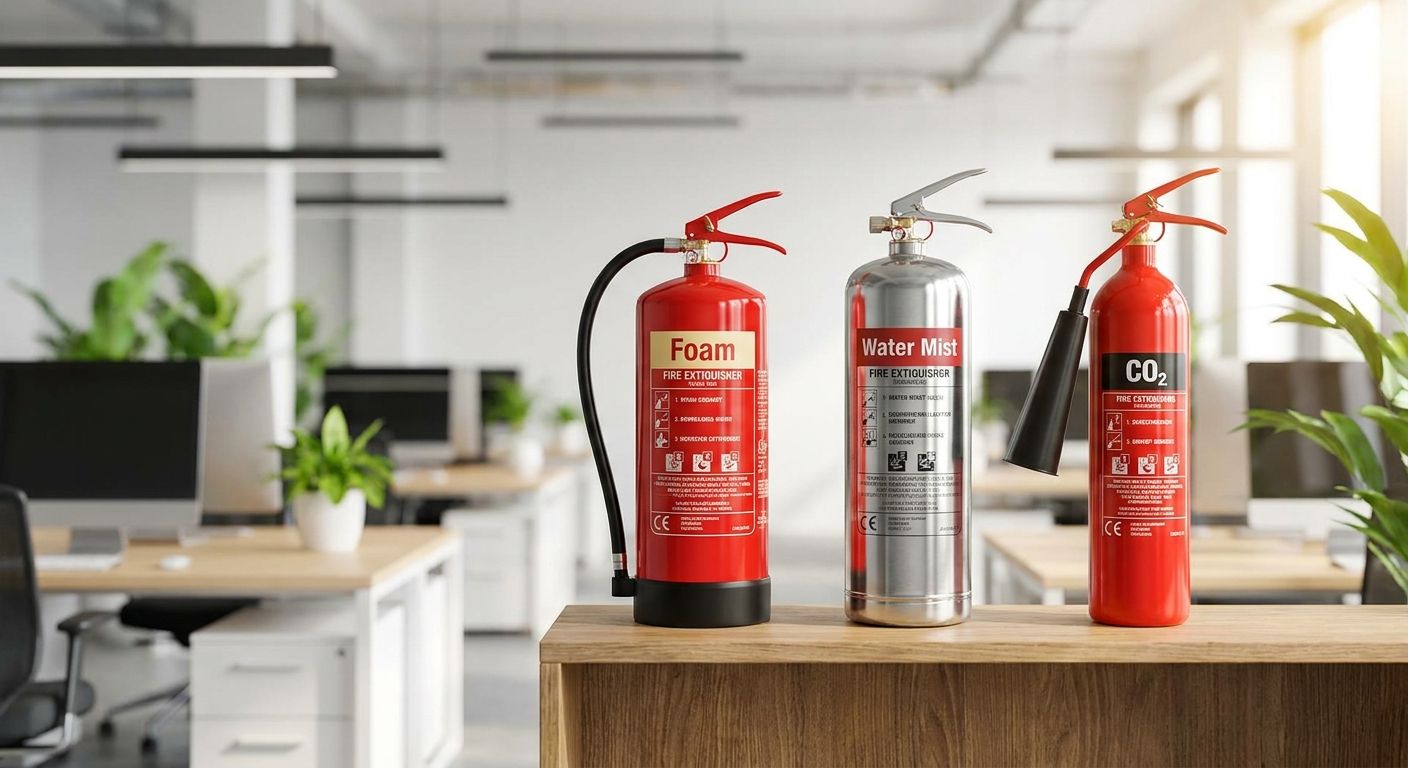
CO2 units cost more to recharge because the agent itself is pressurized gas rather than dry powder, and the cylinder needs a full pressure check every time. Kitchens with electrical equipment and server rooms typically carry these.
- Best for: electrical rooms, server rooms, commercial kitchens
- Verdict: Hold - keep existing units serviced on schedule; don't downgrade to dry chemical near sensitive electronics
Clean Agent / Halotron: $100 to $200+ per recharge
Clean agent extinguishers leave no residue, which matters in server rooms, labs and marine electronics bays where dry chemical residue can damage equipment. The agent itself is the expensive part of the recharge.
- Best for: data centers, labs, marine electronics, aircraft
- Verdict: Buy for sensitive-equipment areas despite the higher recharge cost - residue damage from a dry chemical discharge costs more than the extinguisher
Wheeled / Industrial Units: $150 to $300+ per recharge
Large-capacity units used in mining operations, industrial plants and marine vessels hold far more agent and require more labor to service. Coal mining sites in particular run these alongside suppression systems rather than as standalone units.
- Best for: industrial plants, coal mining operations, marine vessels
- Verdict: Buy/Hold - budget these as part of a facility-wide service contract, not a one-off recharge
Get a recharge and hydro test quote
Commercial recharge, hydro testing and inspection across six states.
Why fire extinguisher recharge cost varies
- Agent type - dry chemical is the cheapest agent to refill; clean agent and Halotron cost the most
- Cylinder size - a 10 lb unit costs less to recharge than a 150 lb wheeled unit
- Hydrostatic testing due date - if the cylinder is due for its NFPA 10 test cycle, that fee adds to the recharge
- Labor and service call structure - a single-unit walk-in recharge costs more per unit than a facility-wide service contract
- Region and travel distance - rural or remote sites (marine, mining) can carry higher service call costs than urban facilities
- Cylinder condition - corrosion, dents or a failed hydro test means replacement instead of recharge
How often does a fire extinguisher need to be recharged?
A fire extinguisher needs recharging after any discharge, even partial, and on a fixed interval tied to the agent type under NFPA 10 - typically every 6 years for stored-pressure dry chemical units and every 5 years for CO2 and water/foam units. Annual inspection is separate from recharge and does not reset the recharge clock.
Is it cheaper to recharge or replace a fire extinguisher?
Recharging is cheaper when the cylinder passes its hydrostatic test and shows no corrosion or damage; once a unit fails hydro test or reaches the end of its service life, replacement usually costs less than repairing a failed cylinder. Facilities running older stock in 2026 should ask for a hydro test result before authorizing a recharge.
Does recharging include hydrostatic testing?
Recharging does not automatically include hydrostatic testing - the two are billed separately unless the cylinder's test interval happens to fall due at the same service visit. A recharge quote that skips mentioning hydro testing is quoting only part of the real cost.
FAQ
How much does it cost to recharge a fire extinguisher in 2026?
Recharging a standard 5-10 lb ABC dry chemical extinguisher costs $15 to $50 in 2026. CO2 units run $50 to $100, and clean agent or Halotron units run $100 to $200 or more.
Is fire extinguisher recharge cost the same for every extinguisher type?
No, recharge cost is not the same across extinguisher types. Dry chemical is the cheapest to refill, while clean agent and CO2 units cost more because of the agent itself and the pressure check required.
Do I need to recharge a fire extinguisher that was never used?
Yes, an unused fire extinguisher still needs recharging or hydrostatic testing once it reaches its NFPA 10-mandated interval, typically 5 to 12 years depending on the agent and cylinder type.
What happens if I don't recharge a fire extinguisher on schedule?
An extinguisher past its recharge or inspection date fails fire marshal inspections and insurance compliance checks, even if the gauge still reads full. The tag date matters more than the gauge reading.
Can I recharge a fire extinguisher myself?
No, fire extinguisher recharging requires certified equipment to weigh, refill and pressure-test the cylinder correctly, which is not a DIY task for commercial or industrial units.
How much does hydrostatic testing add to the recharge cost?
Hydrostatic testing is billed separately from recharge and the amount depends on cylinder size and type; it's a required add-on whenever the unit's test interval comes due, not an optional upgrade.
Does recharge cost differ between residential and commercial extinguishers?
Commercial and industrial extinguishers, including wheeled and coal mining units, cost more to recharge than residential units because of larger agent volumes and higher labor time, often $150 to $300 or more per unit.
Is recharging a fire extinguisher required by law?
Yes, NFPA 10 sets recharge and inspection intervals that most state fire codes adopt directly, making scheduled recharge a compliance requirement for commercial facilities, not a discretionary maintenance item.
One last thing
Most facilities budget for the recharge fee and forget the hydro test cycle sitting underneath it - that's the line item that turns a $30 recharge into a $150 service call once a cylinder's test date finally comes due in 2026. Ask for the hydro test date on every unit before signing off on a recharge invoice; it's the number that actually predicts next year's bill.