
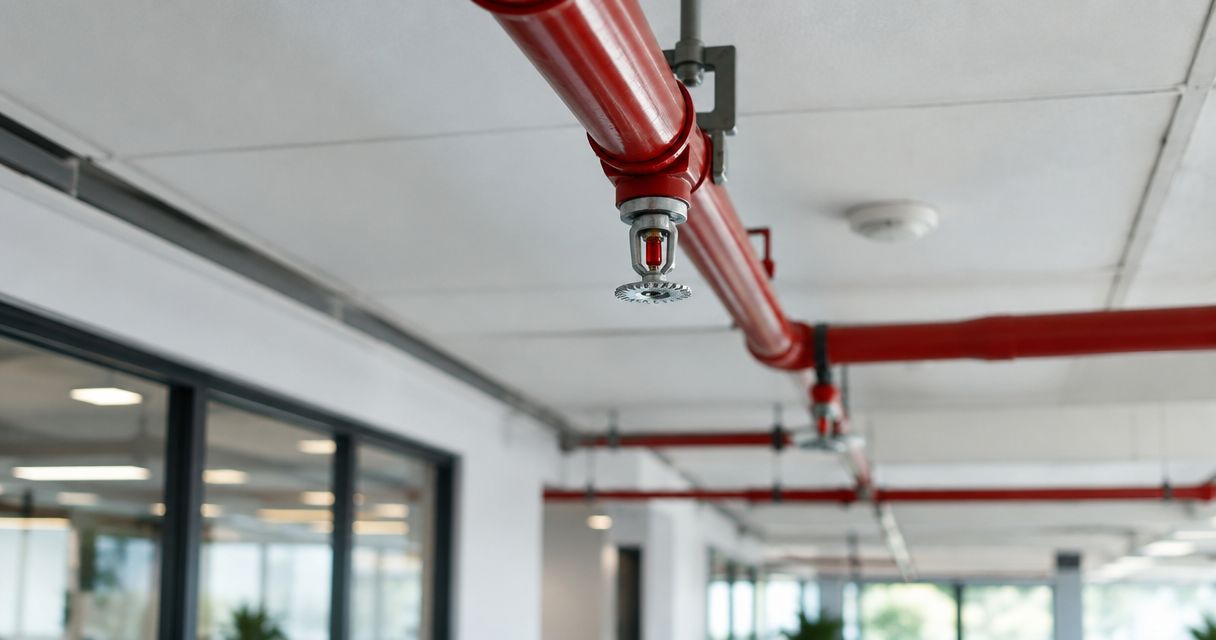
Yes. A fire suppression system can trigger accidentally when a manual release is pulled, a detector responds to a nonfire condition, or a component is disturbed during work. In 2026, treat every unexpected activation as a possible fire until the area is checked; an alarm signal and an actual agent discharge require different follow-up.
- Can a fire suppression system trigger accidentally? Yes; an unexpected signal does not always mean the system discharged.
- Leave the protected area and check for a fire before treating the event as a false activation.
- Do not reset or disable a system that discharged until a qualified technician checks it.
- Firstlinefire fits commercial operators who need fire suppression equipment inspected after an unexpected discharge.
Can a fire suppression system trigger by accident?
Yes. The way it happens depends on how the system detects a fire and how it releases its agent. Start by establishing whether you have an alarm, an agent discharge, or both. A sounding alarm alone does not prove that the suppression system released.
| System | How it can activate without a fire | What needs checking |
|---|---|---|
| Kitchen hood wet-chemical system | A manual pull is operated, or heat reaches a heat-operated release device without a cooking fire. | The release mechanism, protected cooking line, and whether agent discharged. |
| Vehicle or equipment suppression system | A manual release is operated or a detection or release component is damaged or disturbed. | The vehicle or machine, release hardware, and discharge indication. |
| Clean-agent room system | A detector or manual release starts an activation sequence without a fire. | The initiating device, control-panel record, warning sequence, and whether agent discharged. |
These are different protection arrangements, not interchangeable choices. A kitchen hood system serves cooking equipment; a vehicle system protects the equipment it is installed on; a clean-agent system protects a designated space. Each can respond to a real hazard, and each needs a different investigation after an unexpected event.
Why this matters
A false alarm can interrupt work. An unintended discharge also leaves a protected area or machine needing service before its protection can be relied on again. For a commercial kitchen, vehicle, vessel, or industrial site, the first decision is about people and fire risk—not whether the event looks inconvenient.
Firstlinefire provides fire suppression systems and fire-protection service for commercial and industrial customers. In 2026, an operator dealing with an unexpected release needs the event documented and the affected system checked, not simply silenced.
Did the system discharge, or did it only sound an alarm?
An alarm is a warning or control signal. A discharge is the release of suppression agent from the system. Some installations link detection, audible warnings, equipment shutdown, and discharge; the sequence depends on the installed design. Do not infer the sequence from the sound alone.
Look for visible evidence only from a safe position. Agent residue on cooking equipment, a discharge indicator, a changed pressure indication, or a control-panel event can help a technician establish what happened. A clear room or quiet panel does not prove that the system is ready for service.
A third possibility is an equipment shutdown without a discharge. That still needs an explanation. If a hood, machine, or room system has entered an abnormal state, record what you can see and leave the controls to the people authorized to inspect them.
Do not use a reset button as a diagnosis. Resetting a panel can remove the immediate warning without fixing a damaged release, an active fire condition, or a system that has discharged. Follow your site emergency plan and the installed system's instructions.
Why does an unwanted activation happen?
The cause must be established from the actual equipment and event record. These are the main possibilities to check, not a list of reasons to dismiss an alarm:
- Manual release operated: Someone pulls a release station by mistake, or work near it moves the mechanism. Treat the pull as a real activation until its effect is confirmed.
- Heat at a release device: Heat-operated kitchen components respond to heat. Investigate what heated the device rather than assuming that no visible flames means no hazard.
- Detector contamination or disturbance: Dust, cooking byproducts, cleaning activity, or work around a detector can produce an unwanted signal in a system that uses detection devices. The initiating device matters.
- Damage during nearby work: Repairs, cleaning, loading, or equipment movement can disturb exposed detection and release hardware. Check what changed immediately before the event.
- Installation or service fault: A fault in wiring, a control component, or a release assembly can affect the activation sequence. A technician must identify the fault before the system returns to service.
These causes call for different fixes. Cleaning a detector will not repair a damaged manual release. Replacing a discharged agent will not explain why the system released. In 2026, ask for the cause, the work performed, and the final system status in the service record.
What should you do when suppression activates without a visible fire?
Respond as though a fire is possible. A concealed fire, heat inside equipment, or a fire that the system has already controlled can leave little to see from the doorway. Use the site emergency procedure rather than sending someone into the protected area to investigate alone.
- Leave the area. Move people away from the protected equipment or space. Follow your site's evacuation instructions and account for anyone who was inside.
- Call emergency services. If there is smoke, heat, injury, uncertainty about a fire, or a requirement in your emergency plan, call the appropriate emergency number. Give responders the location and describe the system involved.
- Keep clear. Do not restart cooking equipment, machinery, or ventilation just to see whether it still works. Do not bypass a shutdown or silence a continuing warning as a substitute for assessment.
- Record what happened. Note which alarm or indicator operated, whether you saw agent, what equipment stopped, and what work was occurring nearby. Preserve any available panel event record for the technician.
- Arrange inspection. Have a qualified fire-protection technician check the initiating device, release components, agent supply, and connected shutdowns as applicable. Obtain confirmation of the system's status before putting the protected operation back to work.
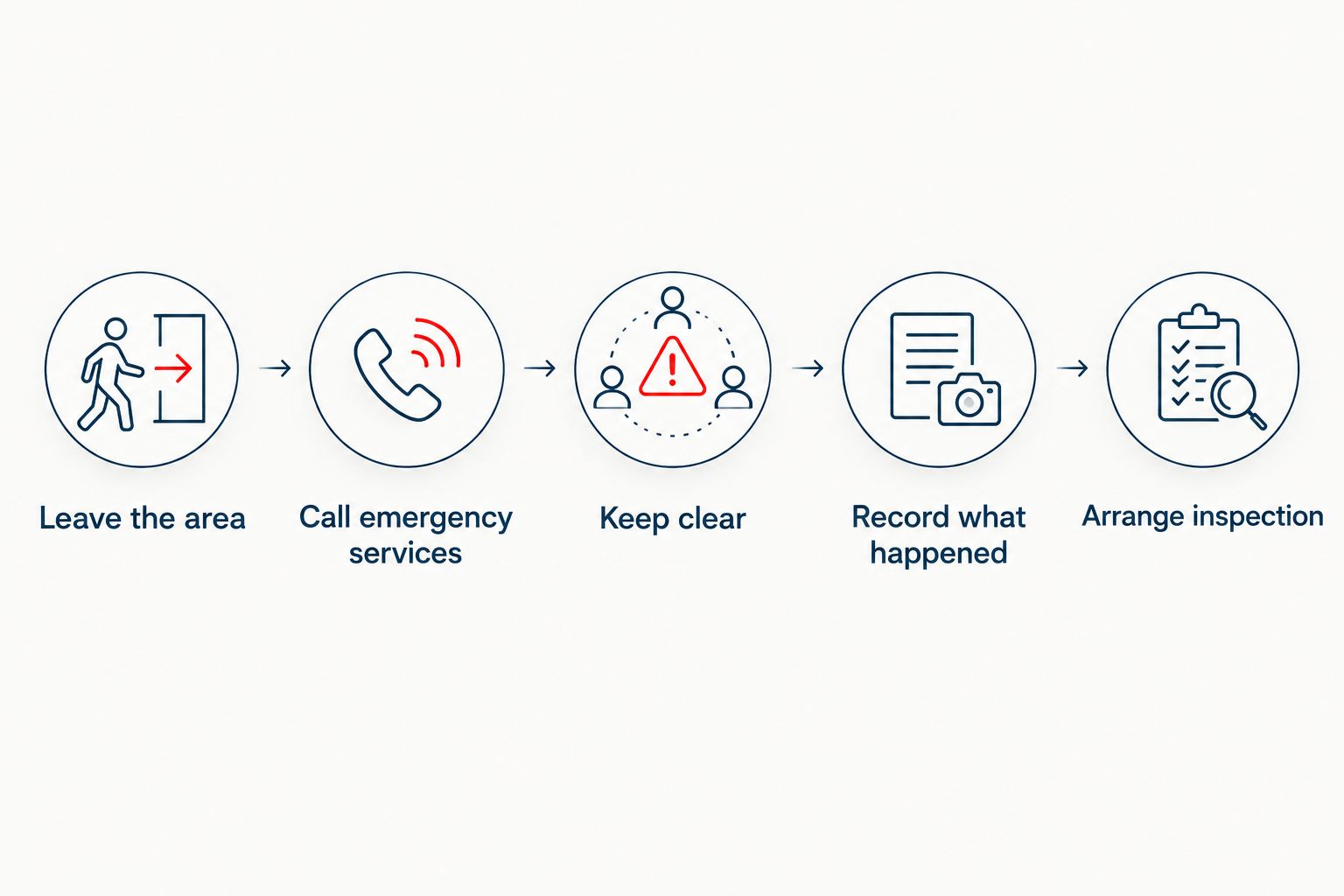
The order matters. Documentation helps a technician, but it does not come before getting people clear. Likewise, an inspection request does not make a discharged system operational. Keep the affected area or equipment out of normal use until its protection and any connected controls have been assessed.
Can you keep operating after an accidental discharge?
Do not assume you can keep using the protected equipment. A system that released agent needs its condition checked, the cause addressed, and its protection restored before you rely on it again. The same caution applies when a release started but the status of the agent supply is unclear.
Whether unaffected parts of a site can operate depends on the event, the site's emergency plan, and the requirements that apply to that installation. A kitchen hood discharge, a vehicle-system release, and a room-system activation affect different operations. Keep the decision tied to the actual protected area and the direction of responding authorities or the responsible fire-protection professional.
A quiet alarm is not a return-to-service decision. Ask what initiated the event, whether agent discharged, what was repaired or replenished, and whether the system passed the checks needed for its installed configuration. Keep that record with the site's fire-protection documents.
How can you reduce accidental activations?
You cannot prevent every mistaken pull or equipment fault. You can make the likely causes easier to spot and less likely to recur without weakening the protection the system provides.
- Keep release stations identifiable and accessible. Staff should know what a manual pull does and which equipment it protects. Do not cover or disable it to prevent accidental use.
- Control work near protected equipment. Tell contractors and cleaning crews where detection devices, release cables, nozzles, and manual stations are before work begins.
- Report damage promptly. A bumped detector, damaged release station, or changed panel condition needs attention even if the system has not discharged.
- Investigate every unwanted event. Record the initiating device and the work occurring nearby. Repeatedly resetting a signal leaves the cause in place.
- Keep service records with the equipment. Record the event, repair, and return-to-service checks so the next shift knows whether the system is ready.
The right response is not to make the system harder to activate. It is to protect its components, train people around the manual controls, and repair the fault that caused the unwanted event. That distinction matters in 2026 as much as it does during an emergency.
Will an accidental activation release suppression agent?
Not always. A detector signal can produce an alarm or start a warning sequence without an agent discharge, depending on the system's design and what happened next. Check the panel record and the system itself rather than deciding from the alarm sound.
If agent did release, the system needs attention even when no fire is found. A completed discharge and an alarm-only event create different service work. Tell the technician which one you observed, and be clear when you do not know.
Can a kitchen hood system go off without a cooking fire?
Yes. A manual pull or sufficient heat at a heat-operated release device can activate a kitchen hood suppression system without a visible cooking fire. Keep staff away from the protected line and have the release cause and system condition checked before cooking resumes.
Do not clean away evidence before the event is documented unless safety requires it. What was running, what was being cleaned, and which part of the line was hot can help establish the cause. A system that has discharged still needs its protection restored.
Can a vehicle suppression system activate while the vehicle is parked?
Yes. A parked vehicle's system can be activated through its manual release or affected by damage to its detection or release components. Parking does not establish that an event was harmless; check for fire conditions around the vehicle and keep it out of service until its suppression status is known.
For fleets and industrial equipment, record the vehicle involved and the circumstances before moving it. That gives the technician a starting point for checking the installed system rather than treating every release as the same fault.
FAQ
Can a fire suppression system trigger accidentally?
Yes. A manual release, a nonfire detector signal, heat at a release device, or disturbed equipment can start an activation. Check whether agent actually discharged before deciding what service is needed.
Does a fire alarm mean the suppression system discharged?
No. An alarm signal and an agent discharge are different events. The installed sequence and the system record determine what happened.
Should I reset a suppression system after a false alarm?
Do not reset it as a substitute for investigating the cause. Follow your site procedure and have the affected system checked if it discharged or its status is unclear.
Can cooking heat set off a hood suppression system without flames?
Yes. Heat at a heat-operated release device can activate a hood system without visible flames. The cause and the condition of the system need checking before the cooking line returns to use.
Is a suppression system ready to use after an accidental discharge?
No. A system that discharged needs its agent supply and affected components checked and restored before it can be relied on again. Get its status confirmed by a qualified technician.
What should staff do if suppression activates unexpectedly?
Move clear and follow the site's emergency procedure. Call emergency services when there is a possible fire, an injury, or uncertainty, then document what activated for the technician.
Can an accidental activation shut down equipment without releasing agent?
Yes, depending on how the installed controls are connected and where the activation sequence stopped. Have the event record and connected controls checked before restarting affected equipment.
One last thing
In 2026, the useful question after an unexpected activation is not whether someone saw flames. It is what started the sequence, what the system did, and whether protection has been restored. Firstlinefire's fire suppression service is relevant at that point: an unexplained release needs a checked system, not a guess.


