Small businesses lose track of fire alarm code requirements faster than almost any other safety system on the property, and the wrong panel type either overspends on features an 800-square-foot shop will never use or underspends on monitoring a landlord requires. This guide ranks fire alarm system types by the specific small-business scenario each one solves, not by brand name.
- Addressable fire alarm systems are the best fire alarm systems for small businesses planning to grow past one zone.
- Conventional panels stay the budget pick for a single-room shop under one roof.
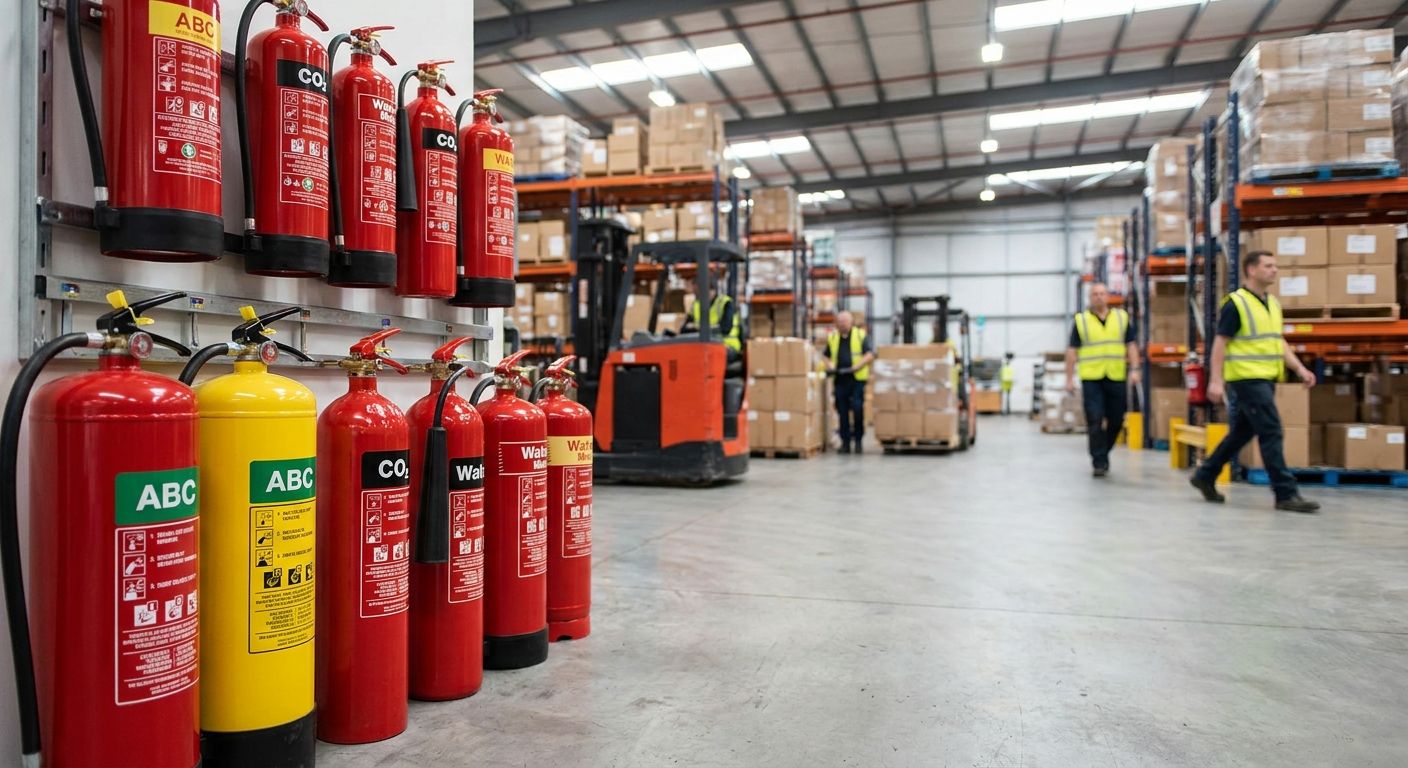
- NFPA 96 requires suppression tied to alarm notification in commercial kitchens — First-Line installs both together.
- Monitored central-station service is the only option that alerts anyone when the building sits empty.
- Wireless systems fit leased or historic spaces where running new wire isn't allowed.
Why This Matters
A fire alarm panel isn't a one-time purchase you forget about. NFPA 72 requires functional testing of every initiating device on a recurring cycle, and most local fire marshals check that paperwork before renewing an occupancy permit. Get the wrong system type and you're either paying for zones you don't have or missing the monitoring your insurance carrier expects.
Across Kentucky, Illinois, Indiana, Tennessee, Missouri and Alabama, small businesses run everything from single-room retail to multi-tenant strip centers to commercial kitchens, and each layout points to a different panel. First-Line Fire Extinguisher Co. installs and services fire alarms alongside extinguishers and suppression systems for exactly this range of small-business footprints, from a single storefront to a shop with a hood system in back.
The Verdict
Best overall: addressable fire alarm systems. Best budget option: conventional fire alarm systems. Best for leased or historic buildings: wireless fire alarm systems. Best for unattended locations: monitored central-station systems. Best for restaurants: combination fire alarm and suppression systems. Best for multi-tenant buildings: voice evacuation systems.
What Makes the Best Fire Alarm System for a Small Business
- Zone or device-level accuracy — how precisely the panel tells a technician which device tripped
- Installation footprint — whether the space allows new wiring or needs a wireless retrofit
- Monitoring requirement — whether local code or an insurance policy mandates 24/7 central-station notification
- Occupancy load — how many people are in the building and whether voice instructions are needed to move them out safely
- Code pairing — whether the alarm has to tie into a suppression system, most commonly in a commercial kitchen
- Serviceability — how easily a local technician can test, repair and document the system for annual inspection
Fire Alarm Systems at a Glance
| System Type | Best For | Standout Feature | Key Limitation |
|---|---|---|---|
| Addressable | Growing small businesses | Pinpoints the exact device that tripped | Higher upfront device cost than conventional |
| Conventional | Single-room, single-zone shops | Simple wiring, straightforward troubleshooting | Only narrows a fault to a zone, not a device |
| Wireless | Leased or historic buildings | No new wiring runs required | Batteries need regular replacement checks |
| Monitored (central station) | Unattended or after-hours locations | Notifies a monitoring center any hour of the day | Recurring monitoring fee on top of hardware |
| Combination alarm/suppression | Restaurants and commercial kitchens | Alarm trips the hood suppression automatically | Only fits kitchen and cooking-line layouts |
| Voice evacuation | Multi-tenant or mixed-occupancy buildings | Spoken instructions instead of a bell or horn | Overkill for a single small tenant space |
1. Addressable Fire Alarm Systems: Best Overall for Growing Small Businesses
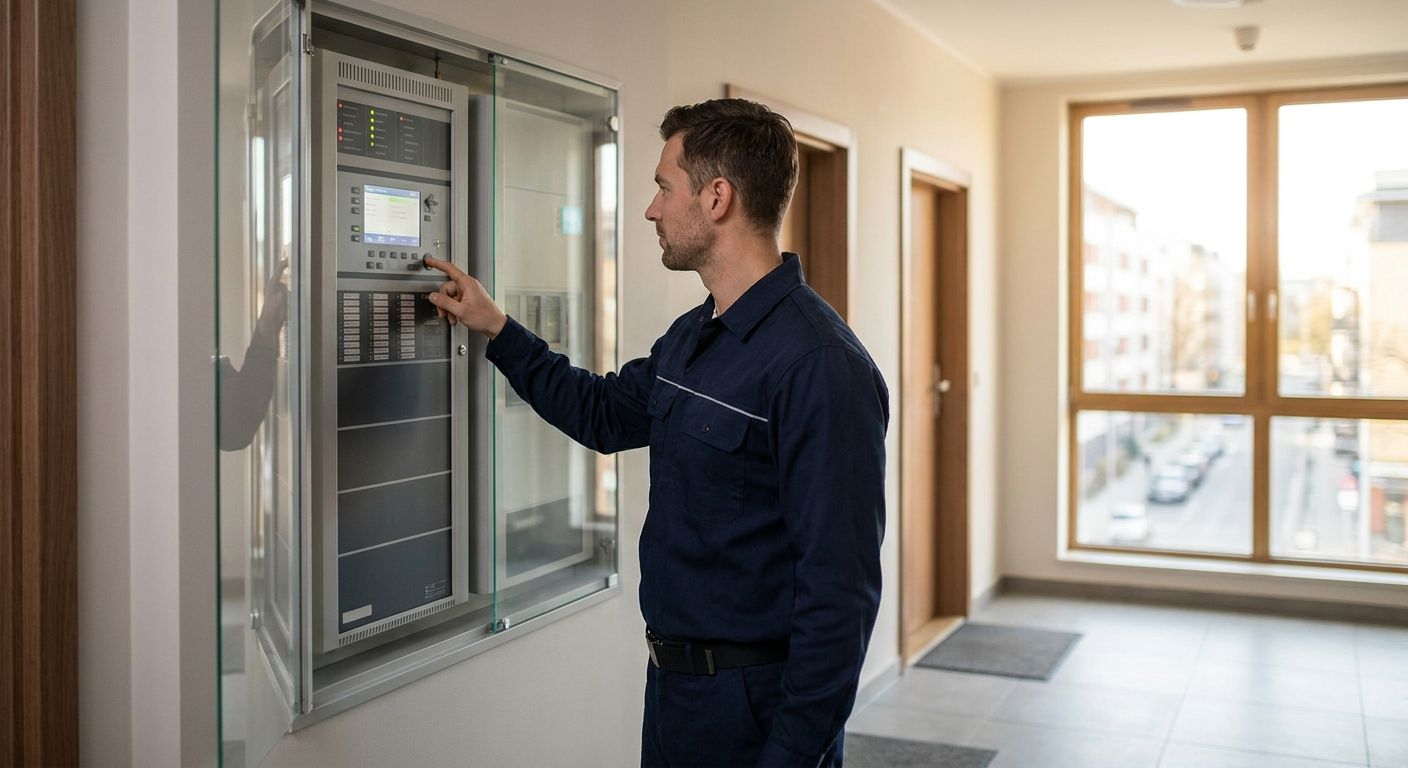
An addressable panel assigns a unique address to every smoke detector, pull station and heat sensor on the loop, so the panel display names the exact device in alarm instead of a general zone. That matters the moment a business adds a second floor, a storage room, or a second tenant space — a conventional zone covering six rooms tells a technician almost nothing useful at 6 a.m.
Addressable fire alarm systems pros:
- Exact device identification cuts troubleshooting time during service calls
- Scales cleanly as a business adds square footage or rooms
- Supports more devices per circuit than a conventional panel
Addressable fire alarm systems cons:
- Costs more per device than a conventional setup
- Programming changes require a trained technician, not a DIY reset
Best for: small businesses that expect to add space or tenants within the next few years. Verdict: Buy.
2. Conventional Fire Alarm Systems: Best Budget Option for Single-Tenant Spaces
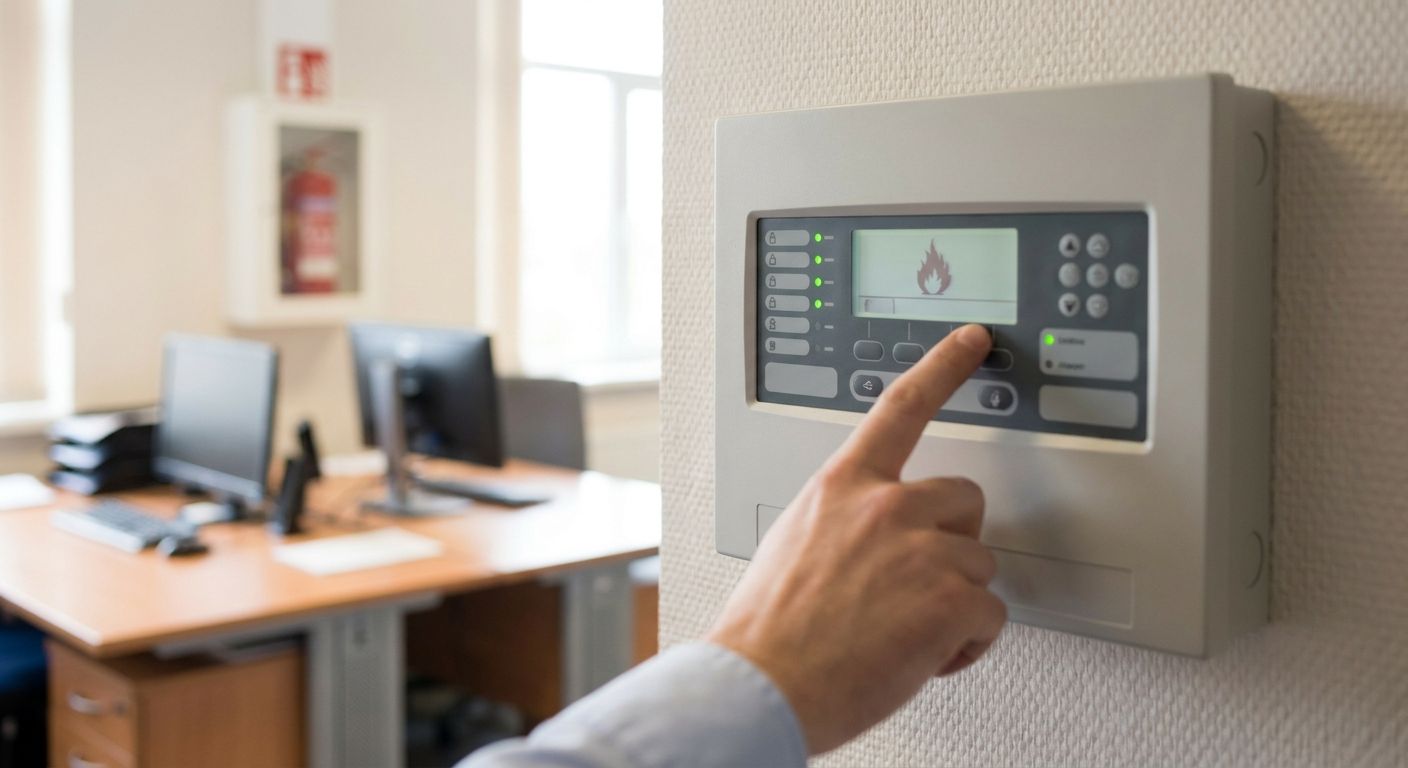
A conventional panel wires devices into zones — front room, back room, storage — and lights up the zone, not the specific device, when something trips. For a small business in one open room with a handful of detectors, that's enough information to act on and cheaper to install than an addressable loop.
Conventional fire alarm systems pros:
- Lower hardware and install cost for small, simple layouts
- Straightforward for staff to understand at a glance
- Fewer components to program or configure
Conventional fire alarm systems cons:
- Only narrows a fault to a zone covering multiple rooms
- Doesn't scale well once a business adds separate spaces
- Fewer devices supported per zone than an addressable loop
Best for: a single-room retail shop, office or warehouse bay under one roof. Verdict: Buy for a simple footprint, Skip once the space splits into multiple rooms or tenants.
3. Wireless Fire Alarm Systems: Best for Retrofits in Older Buildings
Wireless fire alarm systems connect detectors and pull stations to the panel over radio instead of copper wire, which matters in a leased storefront, a historic building, or any space where opening walls to run new wire isn't an option. The devices run on batteries that need checking on a schedule, but installation labor drops sharply.
Wireless fire alarm systems pros:
- No demolition or wire runs during install
- Fits leased spaces where landlords restrict wall modifications
- Devices can be relocated without rewiring
Wireless fire alarm systems cons:
- Battery replacement adds a recurring maintenance task
- Radio interference in some buildings can affect signal reliability
Best for: a leased storefront or a building where new wiring isn't practical. Verdict: Buy for retrofit situations, Wait if new construction already has wire in the walls.
4. Monitored (Central Station) Fire Alarm Systems: Best for Unattended Locations
A monitored system adds a connection from the panel to a 24/7 central station that calls the fire department when the alarm trips, whether or not anyone is on-site. That's the difference between a bell ringing in an empty building overnight and someone actually calling for help. Many state and local fire codes require monitoring once a building's occupant load crosses a set threshold, and most commercial insurance policies price coverage differently for monitored versus unmonitored buildings.
Monitored fire alarm systems pros:
- Notifies emergency responders even when the building is empty
- Often required by code for larger occupant loads
- Can lower commercial insurance premiums
Monitored fire alarm systems cons:
- Recurring monitoring fee on top of the hardware
- Requires a working phone or cellular line at the panel
Best for: locations that close overnight, run unattended shifts, or carry code-mandated monitoring. Verdict: Buy.
5. Combination Fire Alarm and Suppression Systems: Best for Restaurants and Commercial Kitchens
Any commercial kitchen with a cooking line under a hood falls under NFPA 96, which requires the fire alarm to tie directly into the hood suppression system so one trips the other automatically. A standalone alarm with no suppression link doesn't meet that code for a working kitchen, and a fire marshal will flag it on inspection.
Restaurants pairing a kitchen alarm with suppression can review the commercial kitchen fire suppression systems breakdown alongside this list, since the two systems get specified and inspected together.
Combination alarm/suppression pros:
- Meets NFPA 96 pairing requirements for cooking lines
- Automatic suppression trigger without a manual step
- One inspection cycle covers both systems
Combination alarm/suppression cons:
- Only applies to kitchen and cooking-line layouts
- Requires coordinated service between alarm and suppression technicians
Best for: any small business running a commercial kitchen or cooking line. Verdict: Buy — not optional if there's a hood system on the property.
6. Voice Evacuation Systems: Best for Multi-Tenant or Mixed-Occupancy Buildings
Instead of a bell or horn, a voice evacuation system plays recorded or live spoken instructions telling occupants which exit to use. Codes generally require this in larger occupancy buildings and multi-tenant properties where a single alarm tone doesn't tell people enough to move safely and quickly.
Voice evacuation pros:
- Gives specific exit instructions instead of a generic tone
- Often required in higher-occupancy or mixed-use buildings
- Reduces panic-driven bottlenecks at exits
Voice evacuation cons:
- More expensive to install and program than a horn/strobe system
- Overkill for a single small tenant space
Best for: a shared building with multiple tenants or a higher occupant load. Verdict: Buy for multi-tenant buildings, Skip for a standalone small shop.
“If nobody's watching the panel at 2 a.m., the alarm isn't doing its job.”
How These Systems Were Ranked
Each system type was scored against the six criteria above: device-level accuracy, installation footprint, monitoring requirement, occupancy load, code pairing and serviceability. A type only earns "best overall" when it wins on the criteria that apply to the widest range of small-business layouts, which is why addressable systems top the list and voice evacuation sits last — it solves a real problem, just not one every small business has.
Which Fire Alarm System Should You Choose?
For most small businesses in 2026 that expect any growth at all, addressable fire alarm systems win on flexibility and troubleshooting speed. A single-room shop that isn't adding space can stay on a conventional system and save on install cost. Anyone running a kitchen needs the combination alarm/suppression setup regardless of size — that one isn't a choice, it's code. And any location that closes overnight or carries a higher occupant load should add monitored central-station service on top of whichever panel type fits the building.
Get your fire alarm system evaluated
First-Line checks your panel type against code and your building layout.
FAQ
What is the best fire alarm system for a small business in 2026?
Addressable fire alarm systems are the best overall pick for small businesses in 2026 because they identify the exact device in alarm and scale as a business adds space. A single-room shop with no growth plans can use a simpler conventional system instead.
Is an addressable fire alarm system worth it for a small shop?
It's worth it once a business has more than one zone or room, since the panel names the exact device instead of a general area. A single open room doesn't need the extra device-level detail an addressable loop provides.
Do small businesses need a monitored fire alarm system?
Many do, especially locations that close overnight or carry a higher occupant load, since monitoring notifies emergency responders even when the building is empty. Local fire code and insurance policy terms both factor into whether monitoring is required.
What's the difference between conventional and addressable fire alarm panels?
A conventional panel narrows a fault to a wired zone covering multiple rooms, while an addressable panel identifies the exact device that tripped. Addressable systems cost more per device but cut troubleshooting time significantly.
How often must a fire alarm system be tested?
NFPA 72 requires functional testing of initiating devices on a recurring annual cycle, with more frequent checks for certain components. Local fire marshals typically review this documentation before renewing an occupancy permit.
Do commercial kitchens need a standalone fire alarm, or does it need to tie into suppression?
NFPA 96 requires the fire alarm in a commercial kitchen to tie directly into the hood suppression system so one triggers the other. A standalone alarm with no suppression link does not meet code for an active cooking line.
Are wireless fire alarm systems reliable for commercial use?
Wireless systems work reliably for most small commercial spaces, particularly leased or historic buildings where new wiring isn't practical. They do require a schedule for battery checks that a hardwired system doesn't need.
How much does a monitored fire alarm system cost?
Cost varies by device count, panel type and the monitoring plan a provider offers, so there's no single figure that applies across buildings. A site visit is the fastest way to get an accurate scope for a specific location.
One Last Thing
The most common inspection failure isn't a bad panel — it's a business that changed its layout, added a wall, or opened a second room and never updated the zone or device map on file. Before shopping for a new system type, pull the last inspection report and check whether the building on paper still matches the building in front of you.