
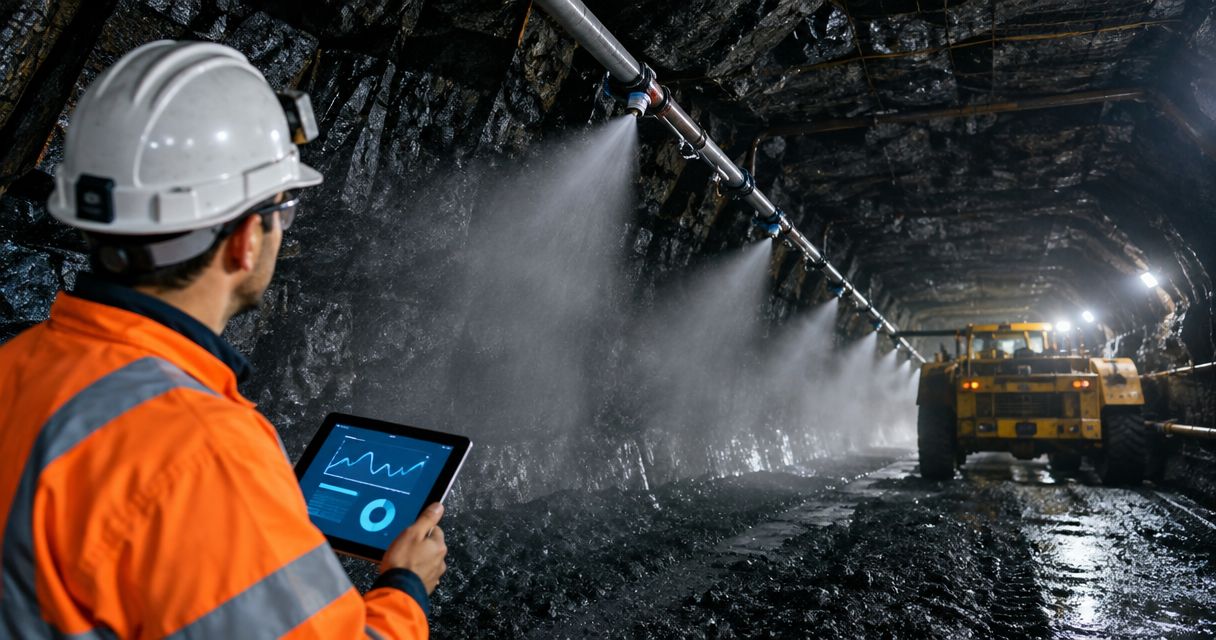
Coal mine fire suppression installation cost in 2026 has no flat number because every job is priced from equipment count, agent type, and the MSHA classification of the site, not a rate card. The line item that surprises operators isn't the install itself — it's the inspection and hydrostatic testing cycle that starts the day the system goes live and never stops.
- Coal mine fire suppression installation cost in 2026 tracks equipment count, agent type (dry chemical, foam, clean agent), and whether the site falls under 30 CFR Part 75 (underground) or Part 77 (surface).
- First-Line Fire Extinguisher Co. installs and services coal mining fire suppression across Kentucky, Illinois, Indiana, Tennessee, Missouri and Alabama — best for operators who need MSHA-aligned systems, not a generic industrial kit.
- A site assessment sets the real price, not a published list — mobile equipment (haul trucks, shuttle cars) and stationary systems (conveyors, prep plants) price on separate tracks.
- Cost after installation keeps running: annual extinguisher inspection plus hydrostatic testing on a 5- or 12-year cycle depending on cylinder type.
Why this matters
Generic commercial fire suppression pricing doesn't transfer to a coal mine. MSHA treats underground and surface coal operations as separate regulatory categories, and the equipment being protected — diesel-powered haul trucks, continuous miners, shuttle cars, conveyor transfer points — carries fire risk that commercial kitchen or warehouse systems were never engineered for.
That's why coal mining equipment fire suppression systems get quoted per machine and per site, not per square foot. An operator running six haul trucks and a beltline pays a different number than one running a single continuous miner section, even before agent type enters the conversation.
How much does coal mine fire suppression installation cost in 2026?
The honest answer: it depends on five or six variables that shift the number more than any single "average" figure could capture. Here's what moves the price up or down.
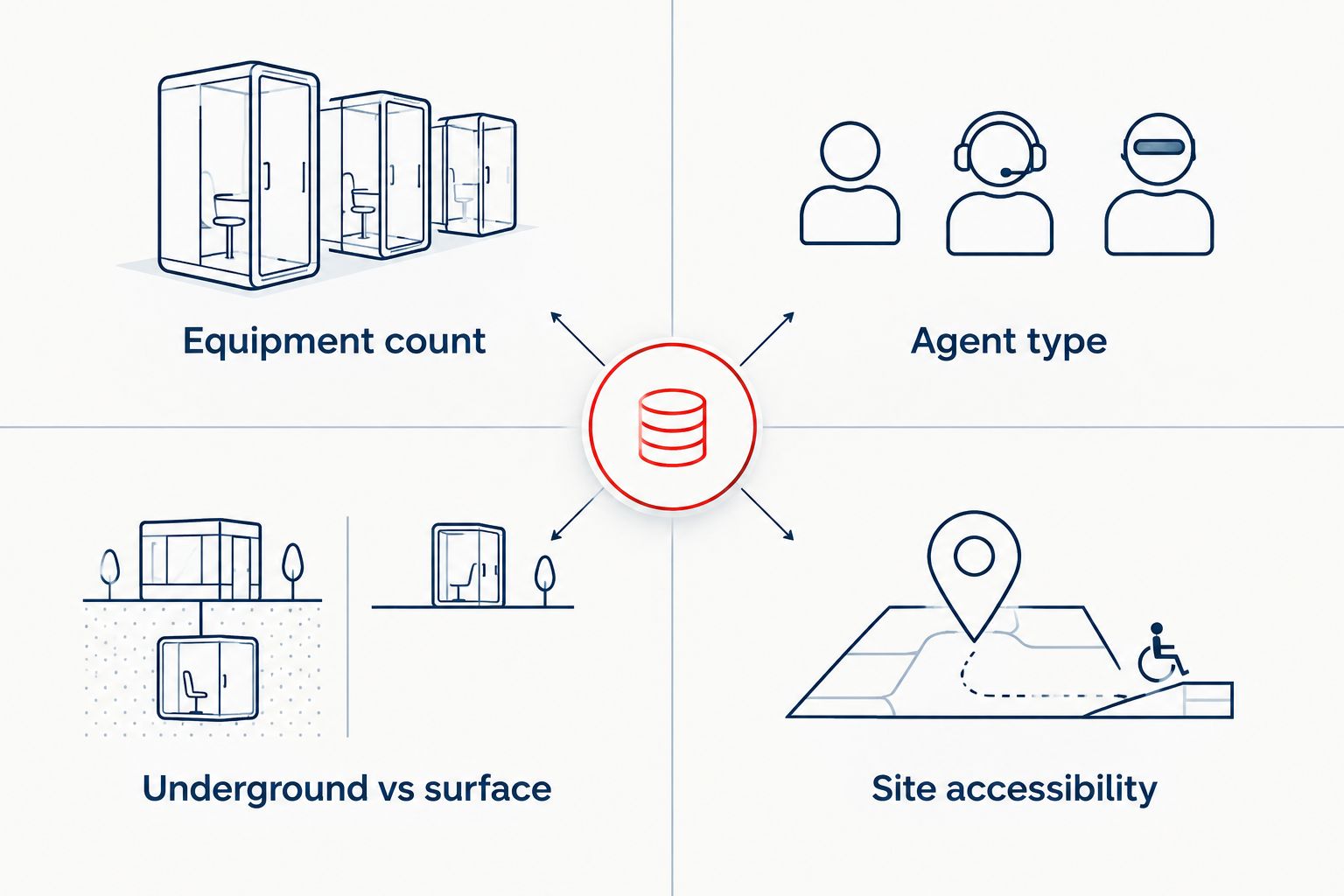
| Cost driver | What it does to the price |
|---|---|
| Equipment count | Each haul truck, shuttle car, or continuous miner needs its own cylinder bank, nozzles, and detection lines |
| Agent type | Dry chemical, foam, and clean agent systems carry different equipment and maintenance requirements |
| Underground vs. surface | 30 CFR Part 75 (underground) and Part 77 (surface) drive different engineering and approval paths |
| Retrofit vs. new equipment | Retrofitting an older machine takes more labor than building suppression into a new install |
| Site accessibility | Remote portals, elevation changes, and confined access add labor hours |
| Engineering and MSHA approval | Site-specific design work and sign-off happen before any hardware goes on equipment |
Mobile equipment fire suppression (haul trucks, shuttle cars, continuous miners)
Mobile equipment systems price per unit protected, not per site. A haul truck with an enclosed cab and diesel engine compartment needs its own detection lines, cylinder bank, and manual pull station, and that hardware count scales with fleet size, not square footage. Continuous miners and shuttle cars add their own wrinkle: tighter clearances mean more custom bracket and routing work per machine.
Stationary systems (conveyors, transfer points, coal preparation plants)
Stationary suppression for conveyor belts and transfer points prices closer to a commercial industrial job — cylinder placement, detection wire runs, and control panel integration matter more than unit count. Coal preparation plant fire suppression work often ties into an existing alarm or dispatch system, which adds integration labor on top of the suppression hardware itself.
Underground vs. surface installation differences
Underground coal mines fall under 30 CFR Part 75, which sets specific requirements for diesel equipment fire suppression and ventilation interaction. Surface operations fall under Part 77, with different clearance and access rules. The regulatory path — not just the hardware — is part of why underground jobs typically involve more engineering review before installation starts.
Why coal mine fire suppression installation cost varies
- Equipment fleet size — more protected units means more cylinder banks, nozzles, and detection points
- Agent selection — fire extinguisher types for coal mining operations and suppression agents each carry different install and maintenance profiles
- MSHA classification — underground (Part 75) vs. surface (Part 77) sets different engineering and approval requirements
- New build vs. retrofit — retrofitting suppression onto equipment already in service adds labor hours a new install skips
- Site access — remote portals and confined underground sections take longer to wire and route than an open surface yard
- Crew training and sign-off — some jobs bundle operator training and inspection documentation into the scope, which adds to the total project cost even though it's not hardware
Related questions about coal mine fire suppression cost
Does MSHA require fire suppression systems on coal mining equipment?
MSHA requires machine-mounted fire suppression on certain diesel-powered underground equipment under 30 CFR Part 75, and surface equipment falls under its own set of Part 77 requirements. The specific equipment covered and the suppression standard required depend on the machine type and where it operates, so a site assessment is what determines the exact scope, not a blanket rule.
How often does coal mine fire suppression need inspection after installation?
NFPA 10 sets annual inspection as the baseline for portable fire extinguishers, and hydrostatic testing runs on a 5-year cycle for CO2 and stored-pressure water/foam cylinders, or a 12-year cycle for steel dry chemical cylinders. Fixed suppression systems on mining equipment typically follow a similar annual inspection rhythm, layered on top of MSHA's own equipment examination requirements.
What's the difference between dry chemical and clean agent suppression for mining equipment?
Dry chemical systems smother the fire with a chemical agent and are common on engine compartments and hydraulic areas of mobile equipment. Clean agent systems leave no residue and suit enclosed cabs or electronics where cleanup after discharge is a bigger concern than raw suppression power. Neither is universally "better" — the equipment being protected decides which agent fits.
FAQ
How much does coal mine fire suppression installation cost in 2026?
There's no flat number for coal mine fire suppression installation cost in 2026 — pricing runs on equipment count, agent type, and whether the site is underground (30 CFR Part 75) or surface (30 CFR Part 77). A site assessment is what sets the actual figure.
Is coal mine fire suppression more expensive than commercial building suppression?
Coal mine fire suppression is priced per piece of equipment protected rather than per square foot, which makes direct comparison to commercial building systems misleading. Mobile equipment suppression and stationary conveyor or prep plant systems price on separate tracks entirely.
Do underground and surface coal mines pay different installation costs?
Underground mines fall under 30 CFR Part 75 and surface mines under Part 77, and the different engineering and approval requirements tied to each classification affect the installation timeline and scope. That regulatory difference is a real cost driver, not just paperwork.
What equipment needs fire suppression on a coal mining site?
Haul trucks, shuttle cars, continuous miners, and conveyor transfer points are the equipment most commonly fitted with fire suppression on coal mining sites. Which specific units require it depends on MSHA classification and how the equipment is powered.
How long does coal mine fire suppression installation take?
Installation timelines depend on equipment count and whether the job is a retrofit or built into new equipment, with retrofits generally taking longer per unit than new-build installs. Site access, especially underground, adds time on top of the base install work.
Does fire suppression installation cost include MSHA compliance paperwork?
Some installation quotes bundle engineering review and compliance documentation into the project scope, while others price it separately. Ask what's included in the quote before comparing numbers across providers.
What ongoing costs come after coal mine fire suppression installation?
Annual inspection is the baseline ongoing cost, and hydrostatic testing adds to that on a 5- or 12-year cycle depending on cylinder type. Budget for both, not just the one-time install.
Get a coal mine fire suppression quote
A site assessment across KY, IL, IN, TN, MO and AL sets the real installation number.
One last thing
The number operators actually get burned by isn't the installation quote — it's assuming installation is the end of the spend. MSHA inspection and NFPA hydrostatic testing cycles start the day the system goes live in 2026, and a fleet with a dozen protected units generates a recurring inspection bill every operator should budget before signing off on the install, not after.


